
Excavating Armageddon and the art of imagining the end
A program hosted by UChicago's ISAC Museum explored how a biblical battleground, a doomsday clock and a looping film each translate existential risk into something real
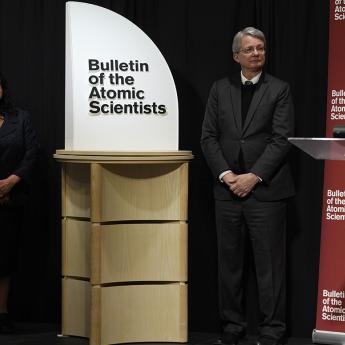
Doomsday Clock ticks down to 85 seconds to midnight in 2026—closest ever to apocalypse
The Bulletin of the Atomic Scientists announced on Jan. 27 that the hands of the Doomsday Clock moved forward four seconds and now sits at 85 seconds to midnight—the closest the symbolic clock has ever been to apocalypse.
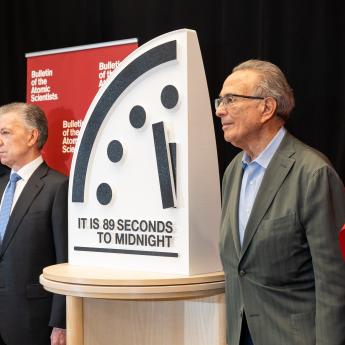
Doomsday Clock moves closest ever to apocalypse—at 89 seconds to midnight
'Any move towards midnight should be taken as an indication of extreme danger and an unmistakable warning,' said the Bulletin of the Atomic Scientists
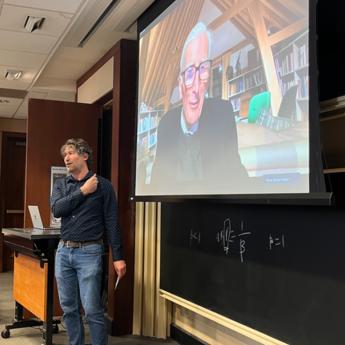
‘Are we doomed?’ Class debates end of the world—and finds reason for hope
UChicago professor, student discuss possible perils and importance of collective action
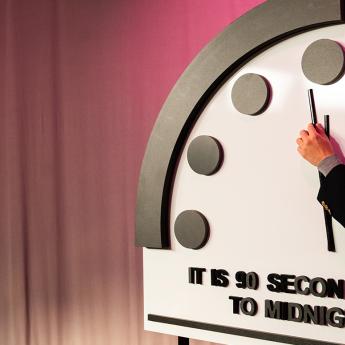
Doomsday Clock remains at a minute and a half to midnight in 2024—closest ever to apocalypse
Rachel Bronson, president and CEO of the Bulletin, said the move is “not an indication that the world is stable. Quite the opposite. It’s urgent for governments and communities around the world to act.”
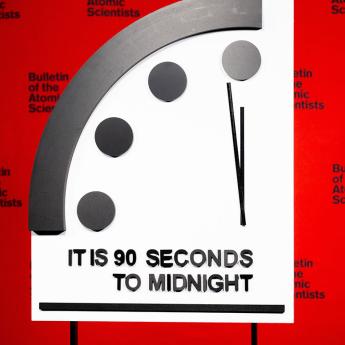
Doomsday Clock moves closest to apocalypse than ever before, at 90 seconds to midnight
In 2023, Bulletin scientists cite ‘unprecedented danger’ amid war in Ukraine, concerns over climate change
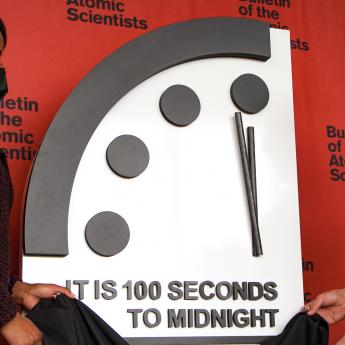
Doomsday Clock remains at 100 seconds to midnight—closest ever to apocalypse
Bulletin of the Atomic Scientists warn of lack of progress on climate, nuclear weapons
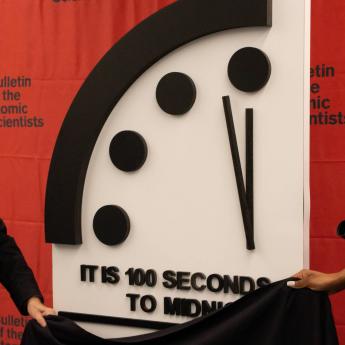
Pandemic ‘a historic wake-up’ call, but Doomsday Clock remains unchanged
Bulletin of the Atomic Scientists urge greater global cooperation at Jan. 27 unveiling event

Bulletin of Atomic Scientists to announce 2021 Doomsday Clock time on Jan. 27
Watch live as the hands of clock unveiled at news conference
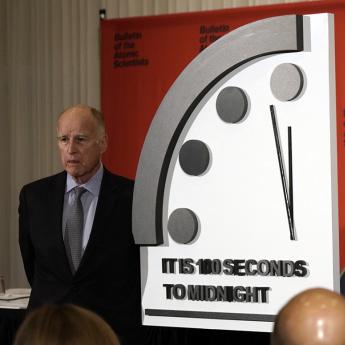
Doomsday Clock closer than ever before to apocalypse
Move by Bulletin of the Atomic Scientists reflects dismantled arms controls, climate change