

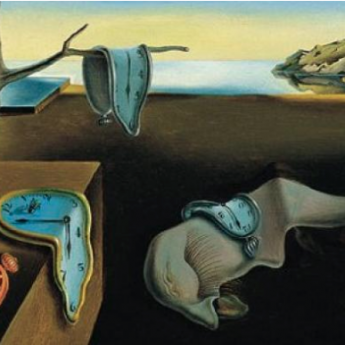
How Jetlag Disrupts The Ticks of Your Microbial Clock
<p>Assoc. Prof. Jack Gilbert suggests controlling late-night eating to maintain rhythm of gut microbes</p>

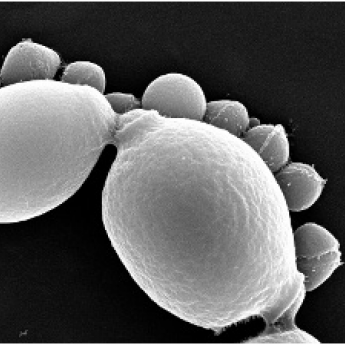
Intensive Loss of Gut Bacteria Diversity
<p>Article cites research by Prof. John Alverdy, which finds that patient gut flora collapse after extended stays in intensive care</p>
The Scientist
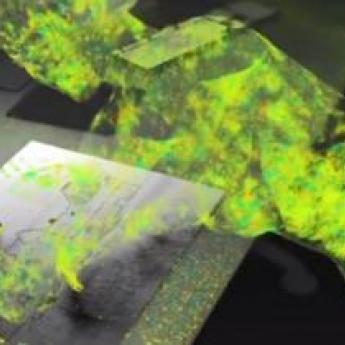

Microbiomes: You Live in Your Own Germ Cloud, Study Finds
<p>Assoc. Prof. Jack Gilbert leads study that finds individuals carry a ‘unique fingerprint’ of microbes that's marked by who they interact with</p>

The Gut Microbiome, explained
Microbes are so impactful that some researchers consider them to be a separate organ.

Cathryn R. Nagler
Title: Bunning Family Professor in the Pritzker School of Molecular Engineering, Pathology and the College
Expertise: Epithelial Barrier, Food allergies, Microbiome, Microbiome Therapeutics
Departmental website: https://pme.uchicago.edu/faculty/cathryn-nagler
Departmental website: https://microbiome.uchicago.edu/directory/cathryn-nagler
Lab website: https://naglerlab.uchicago.edu/