UChicago Explainer Series
Learn about some of the intellectual contributions pioneered at the University of Chicago, and how its scholars continue to shape the world and our understanding of it.
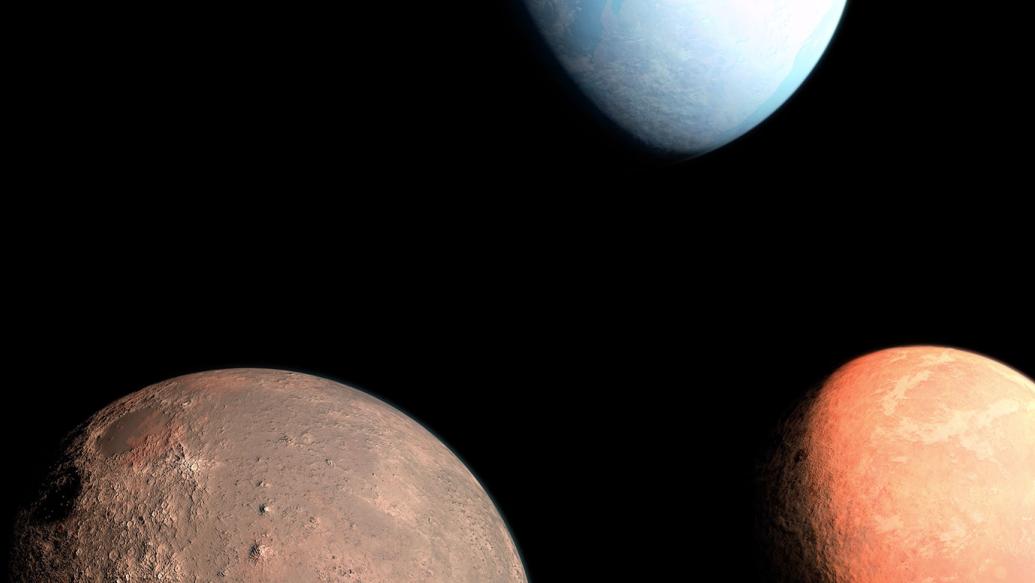
Exoplanets, explained
We now know there are thousands of planets out there in our galaxy alone. Learn what we know about them, and what mysteries remain.




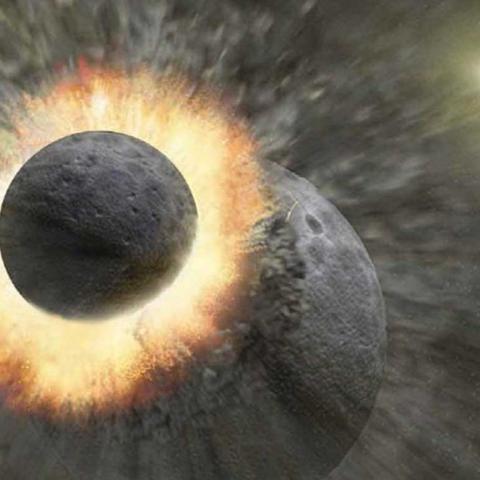
All Explainers

The Gut Microbiome, explained
Microbes are so impactful that some researchers consider them to be a separate organ.

Perfect pitch, explained
How rare is perfect pitch—and can you learn it?

Behavioral economics, explained
Shaped by Nobel-winning UChicago economist Richard Thaler, behavioral economics examines the differences between what people “should” do and what they actually do—and the consequences of those actions.
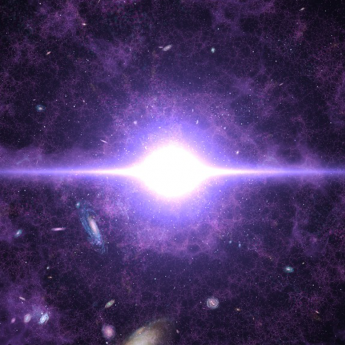
The Hubble constant, explained
One of the most important numbers in cosmology, the Hubble constant tells us how fast the universe is expanding, which in turn tells us the age of the universe and its history.

The solar wind, explained
First proposed in the 1950s by UChicago physicist Eugene Parker, the solar wind is a flow of particles that comes off the sun at about one million miles an hour.

The Doomsday Clock, explained
The Doomsday Clock is a symbol that represents how close humanity is to self-destruction. The clock hands are set annually by the Bulletin of the Atomic Scientists, a group formed by Manhattan Project scientists at UChicago after World War II.