UChicago Explainer Series
Learn about some of the intellectual contributions pioneered at the University of Chicago, and how its scholars continue to shape the world and our understanding of it.
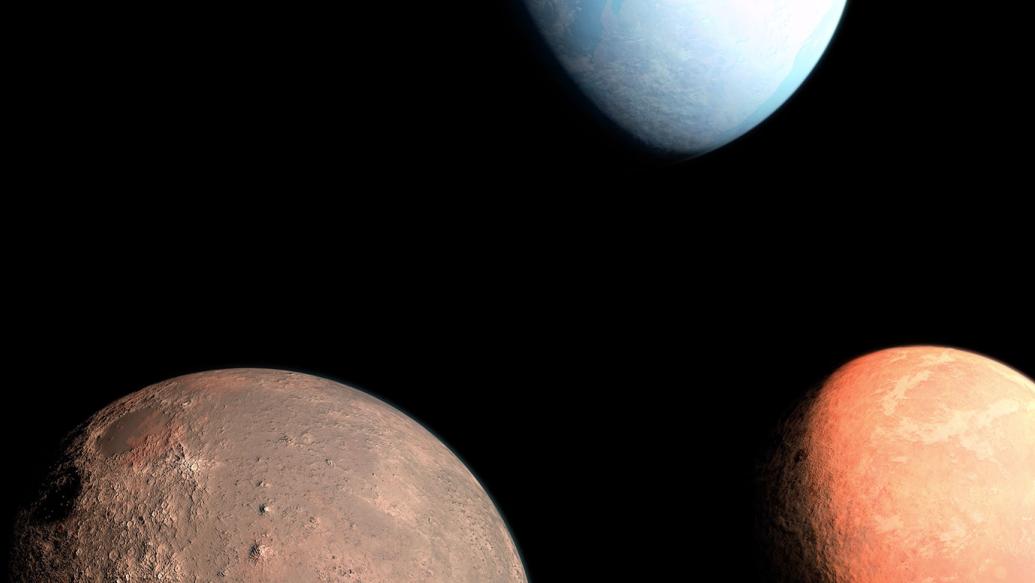
Exoplanets, explained
We now know there are thousands of planets out there in our galaxy alone. Learn what we know about them, and what mysteries remain.


All Explainers

Field experiments, explained
Using the world as a lab, UChicago economists pioneered the use of field experiments in their groundbreaking research.

How sleep affects human health, explained
We spend a third of our lives asleep, and it’s as important as food, water or air to our survival. But scientists are still working to understand the exact nature of sleep and why it’s so important.
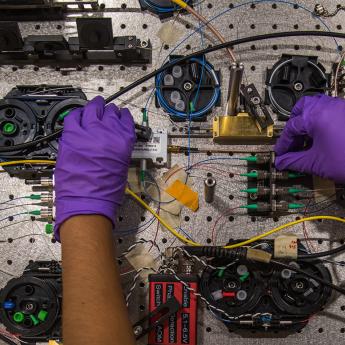
The quantum internet, explained
The quantum internet is a theorized network of interconnected quantum computers that will one day allow us to exchange and compute data using quantum technology.
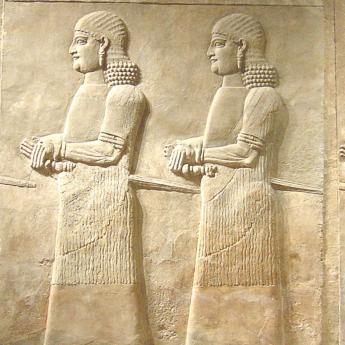
The Fertile Crescent, explained
A term coined by UChicago Egyptologist James Henry Breasted, “The Fertile Crescent” refers to a region in Western Asia that gave rise to some of the world’s earliest civilizations.
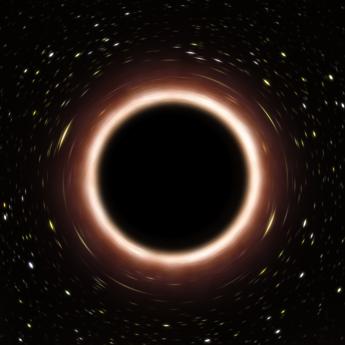
Black holes, explained
Black holes fascinate both the public and scientists—they push the limits of our understanding about matter, space and time.
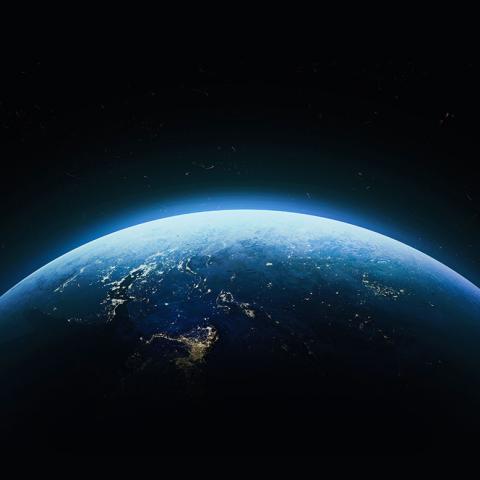
The origin of life on Earth, explained
The origin of life on Earth stands as one of the great mysteries of science. Several seminal experiments have been conducted at UChicago, including the famous Miller-Urey experiment that suggested how life could form in a primordial soup.
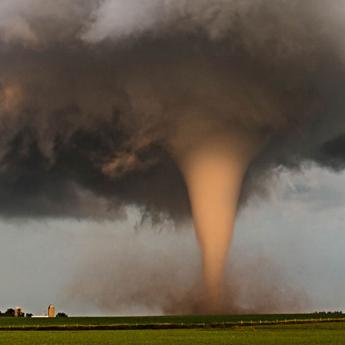
The Fujita Scale, explained
University of Chicago meteorologist Ted Fujita devised the Fujita Scale, the internationally accepted standard for measuring tornado severity.

The Chicago Manual of Style, explained
Published by the University of Chicago Press since 1906, the Manual of Style is used widely in academic disciplines and is considered the standard for U.S. style in book publishing.
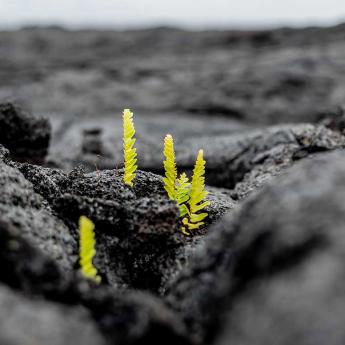
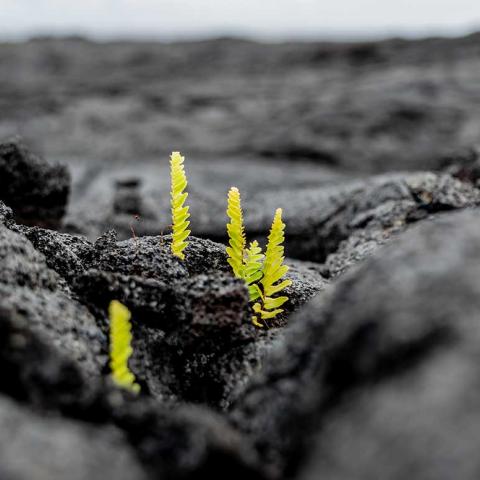
Ecological succession, explained
Pioneered by UChicago Prof. Henry Chandler Cowles, ecological succession is the process by which the mix of species and habitat in an area changes over time.
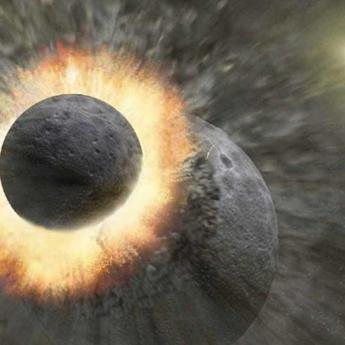
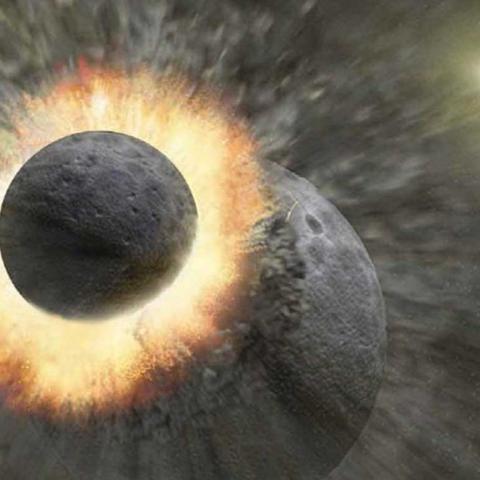
How the Earth and moon formed, explained
How old is the Earth and how did we get our moon? Learn what we know and how we know it—and what mysteries still remain.