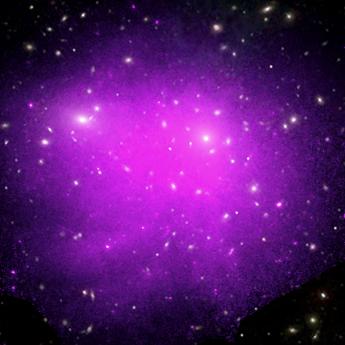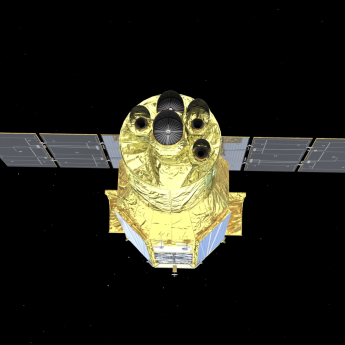
XRISM satellite launches to study the universe in different colors of X-rays
Data to reveal flows of matter and energy close to black holes, elemental makeup of the universe
Data to reveal flows of matter and energy close to black holes, elemental makeup of the universe